Market by Order: Reading the Trader Behind Every Order
Most charts show you trades. MBO data shows you the single order, its unique ID, and how the trader behind it hesitates, hides size and chases the fill.
 XFlow Team·4 min read·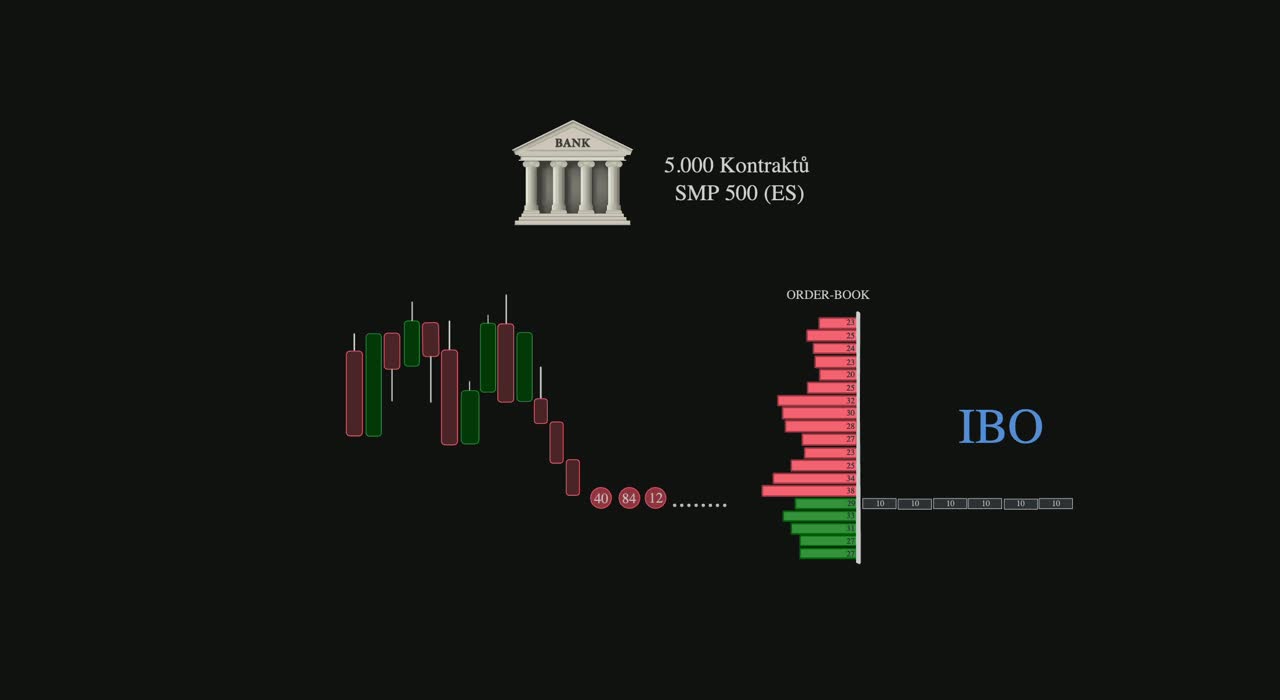
Most data hides the order
A candle shows you four prices. The footprint shows you the volume that traded at each one. Both are built from trades that already happened, the result of the fight, never the fighters themselves.
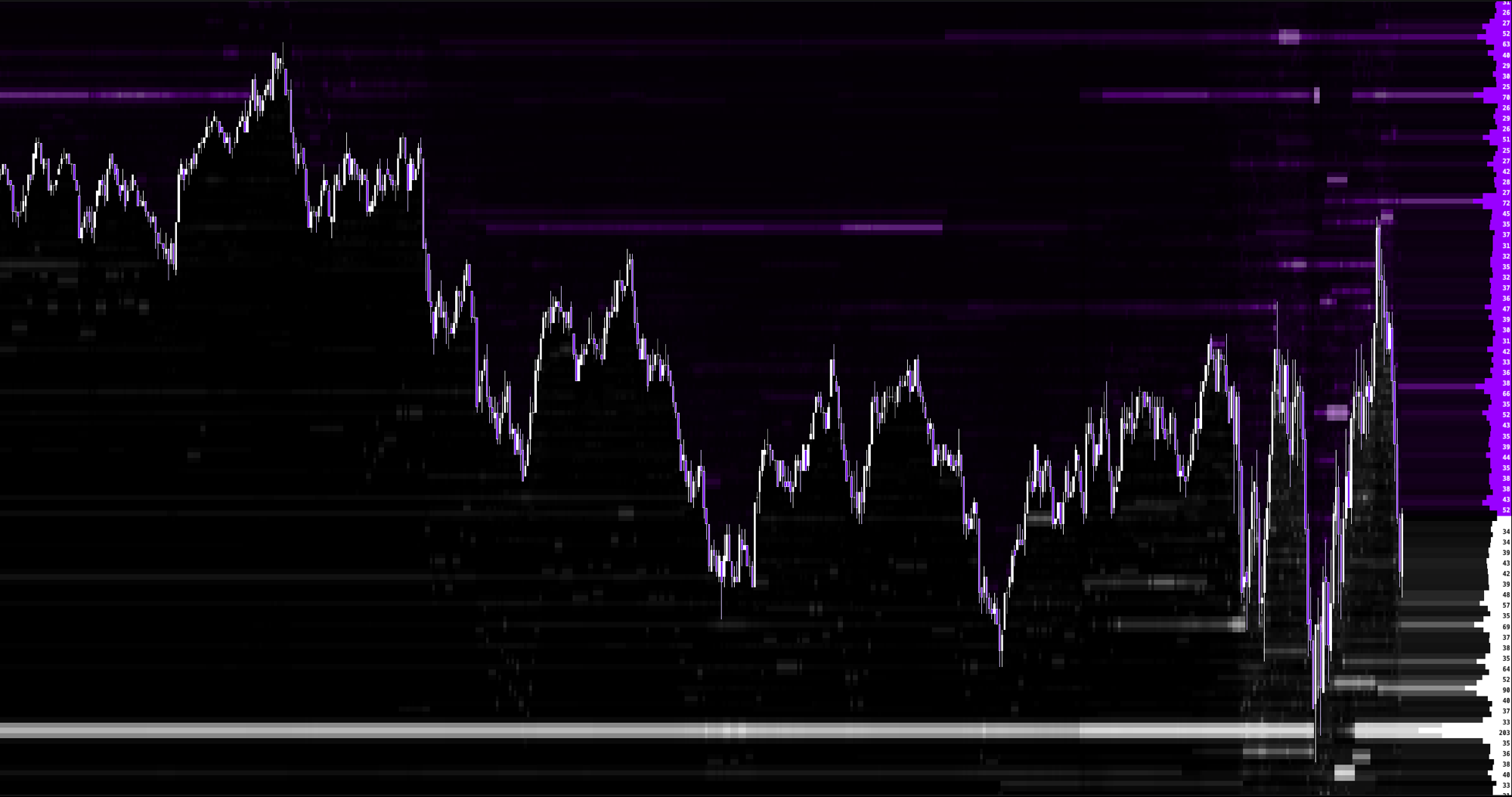
Market by Order data, often called MBO or level three, goes one layer deeper. Instead of merging everything resting at a price into a single number, it streams every individual order in the book as its own object, with its own size, its own place in the queue and its own life.
Every order carries an ID
The thing that changes everything is the order ID. When a participant places a limit order, the exchange tags it with a unique identifier and broadcasts every event that touches it: when it is added, when it is modified, when part of it executes and when it is cancelled.
Because that ID stays the same from the first message to the last, we can follow one order through its entire life. Not the price, not the aggregate size at a level, but a single decision made by a single trader, tracked tick by tick.
Tracking an order is reading a mind
Once you can follow one order through time, the book stops being anonymous depth and starts being behaviour. An order that sits patiently, never flinching as price approaches, is conviction. An order that is pulled the instant size arrives was never real.
You watch a trader nudge their order up a tick to hold the front of the queue, shave it down when they lose nerve, or reload it again and again. Every modification is a small confession of what that participant needs and how badly they need it.
When a trader chases the fill
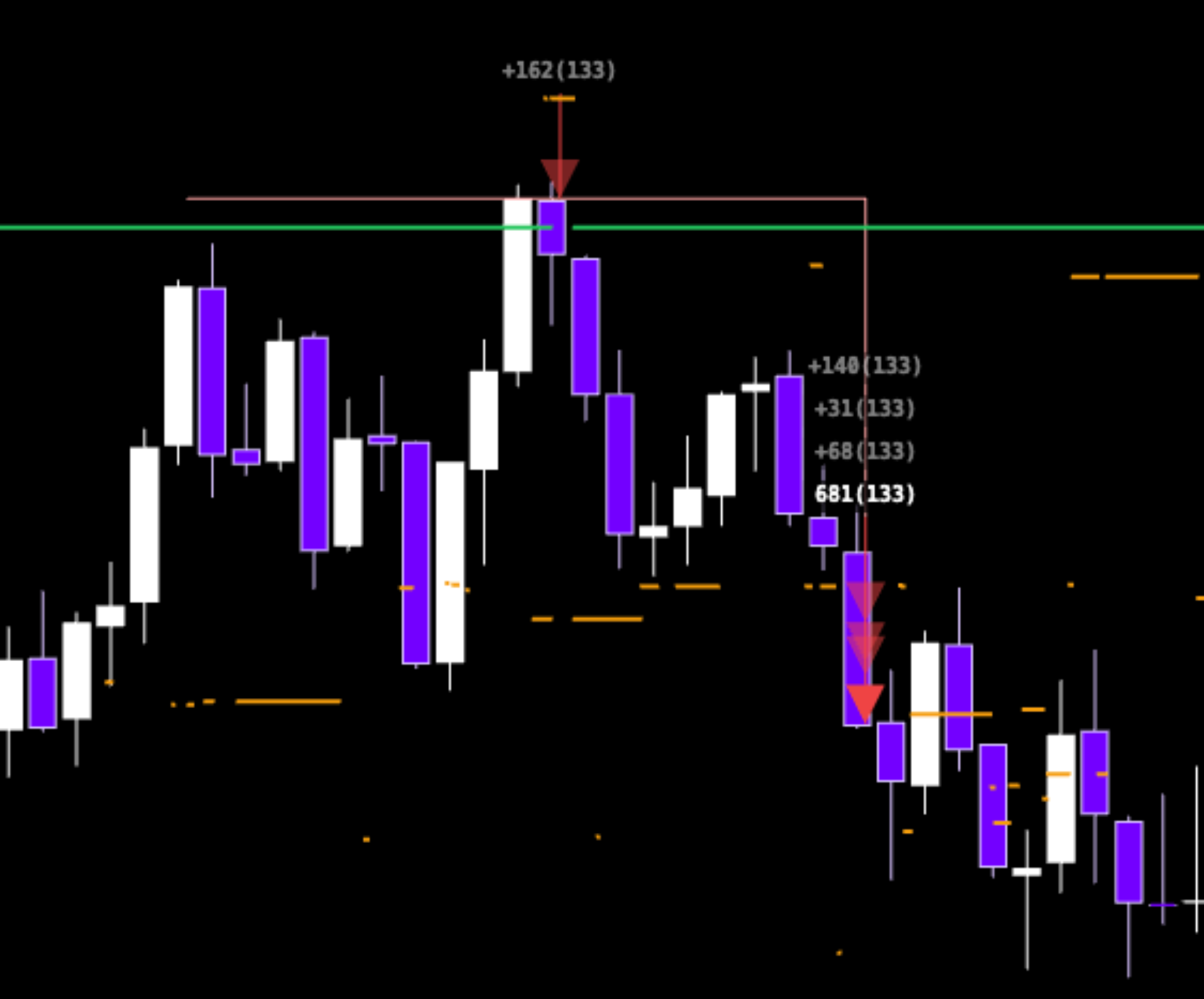
Here is a real example. A resting order sat above the market waiting to be filled, but price kept failing to climb back up to it. The trader behind it clearly decided the move back was not coming.
Rather than wait and miss it entirely, they walked the order down into the market and took the fill at a worse price on purpose. That single action tells you two things at once: they were certain price was not returning to them, and they needed to be in badly enough to pay up for it. Read that and you are reading intent the moment it forms, not minutes later on a candle.
Iceberg orders, the size you are not meant to see
Large players do not want you to see their full hand. An iceberg order shows only a small clip in the book and quietly reloads the next slice each time the visible piece is taken, so the displayed size stays tiny while the real order is enormous.
On normal data an iceberg is invisible by design. With MBO and the order ID it gives itself away: the same order keeps executing and refilling far beyond the size it ever displayed. Watch one ID print again and again at a level and you have found size that was meant to stay hidden.
Big trades against MBO big trades
A big trade in the classic sense is an aggressive print, a market order that crosses the spread and takes liquidity in size. It is useful, but the tape merges everything that prints at a price, so one huge taker and a crowd of small ones can look identical.
An MBO big trade separates them. Keyed by the order behind the aggression, it isolates one participant taking liquidity, so you see a single player true footprint instead of the blended tape. It is the difference between knowing size traded and knowing who traded it.
From depth to intent
This is what MBO data gives you that nothing else can. It turns the order book from a wall of anonymous numbers into a record of individual decisions, each one tagged, tracked and readable.
You stop guessing what the market might do and start watching what specific participants are actually doing, hiding, hesitating, reloading and chasing, one order at a time.